
History of Colloidal Silver | Ancient Rome to Modern Use
For over two thousand years in the history of colloidal silver, humans have recognized silver’s unique ability to fight disease-causing organisms. While modern antibiotics emerged only in the last century, the history of silver as a germicide stretches from ancient Egypt, Greece and Rome to NASA space shuttles. This article traces that journey using information from a 1996 Nexus Magazine article, “Colloidal Silver: The Universal Germicide.”
Ancient and Royal Uses of Silver
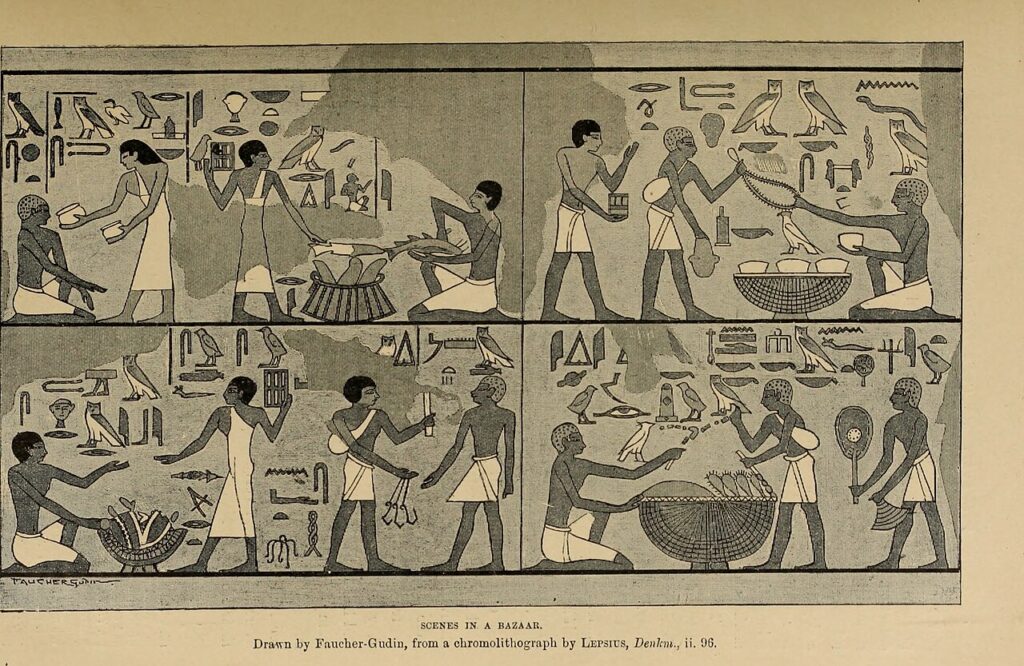
Ancient Egyptians used silver as a potent natural germicide long before modern antibiotics. They applied it as a preservative and infection fighter through three primary practices; water purification, wound care and emblaming.
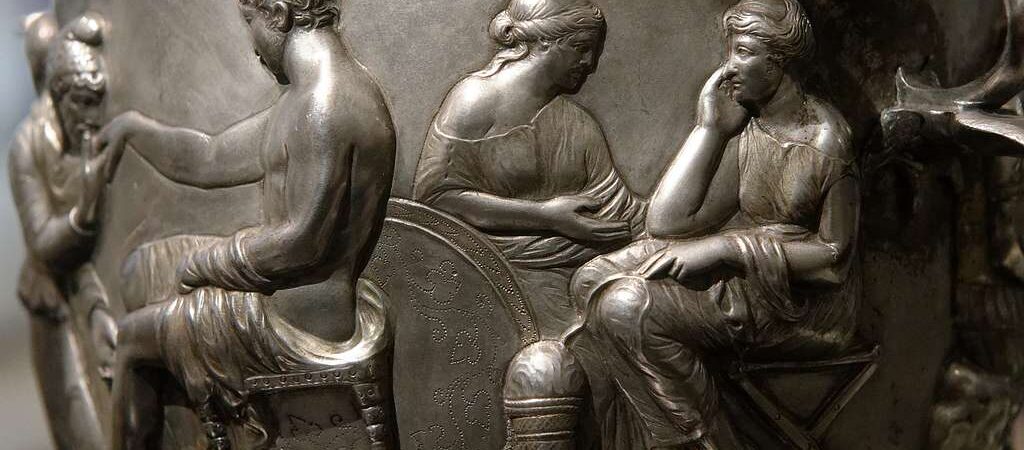
The use of silver for preservation and health is remarkably old. The people of Ancient Greece and Rome used silver containers to keep liquids fresh (Page 1). This practice was not lost to history—through the centuries, royal households stored their provisions in silver containers.
Royal families also used silver eating utensils, plates, and cups. Interestingly, the article explains the origin of the term “blue bloods.”
“Indeed, the skin of ‘blue bloods’ reportedly had a bluish tinge due to the minute traces of pure metallic silver they regularly consumed.”
In America’s pioneering days, settlers traveling west would place silver dollars in their milk to delay spoilage. These early applications show that long before germ theory was understood, people instinctively used silver to fight decay and infection.
The Turn of the 20th Century: Colloidal Silver Emerges
By the turn of the 20th century, silver was regarded as a proven germ-fighter in medicine. A solution known as Colloidal Silver became a mainstay of antibacterial treatment. However, the technology of that era was technically inferior to today’s solutions. The particle size of silver never reached its optimum ultramicroscopic size, limiting its highest level of efficacy.
There were other drawbacks. Highly effective colloidal silver was very expensive to produce. Furthermore, when manufactured improperly or taken at excessive dosages with extraneous silver compounds included, a permanent skin discoloration called argyria could result. For these reasons—cost, competition from patentable drugs, and safety concerns—colloidal silver fell out of favor.
Scientific Validation in the Early 1900s
Despite its decline in popularity, prestigious medical journals published positive findings. The New England Journal of Medicine and The Lancet (1914) published scientific studies examining the many successful uses of colloidal silver.
Dr. Henry Crooks (1910)
In 1910, Dr. Henry Crooks, a pioneer in colloidal chemistry, made a striking claim:
“Certain metals, when in a colloidal state, have a highly germicidal action but are quite harmless to human beings… Bronchial tuberculosis… Staphylococcus pyogenes, various Streptococci and other pathogenic organisms are all killed in three or four minutes, in fact no microbe is known that is not killed by this colloidal in laboratory experiments in six minutes, [and] the concentration of the [silver] does not exceed twenty-five parts per 1 million…”
Alfred Searle (1919)
Alfred Searle, founder of the pharmaceutical conglomerate Searle, wrote in his book The Use of Colloidals in Health and Disease:
“…applying colloidal silver to human subjects has been done in a large number of cases with astonishing successful results. For internal administration, orally or hypodermically it has the advantage of being rapidly fatal to parasites without toxic action on its host. It is quite stable.”
The 1970s Rediscovery
After decades of being overshadowed by antibiotics, colloidal silver was reappraised in the 1970s. Doctors at Washington University in St. Louis, Missouri, stumbled upon it while searching for effective treatments for burn victims, having tried many other medicines.
A 1978 article in Science Digest titled “Our Mightiest Germ Fighter” reported:
“Thanks to eye-opening research, silver is emerging as a wonder of modern medicine. An antibiotic kills perhaps a half-dozen different disease organisms, but silver kills some 650. What’s more, resistant strains fail to develop when using silver. Moreover, silver is virtually non-toxic.”
Dr. Robert O. Becker’s Contributions
Perhaps the most influential modern researcher is Dr. Robert O. Becker from Syracuse University, author of The Body Electric and Cross Currents. Dr. Becker discovered that silver does more than kill germs.
“Silver stimulates bone-forming cells into growing new bone where it had not healed for long periods of time.”
He found that silver promoted major growth of bone and accelerated the healing of injured tissues by over 50%. He discovered cell types resembling active bone marrow from children, which grew fast and could differentiate into specific cells of injured tissues, even in patients over fifty.
Dr. Becker concluded:
Page 3: “What we have actually done was rediscover the fact that silver killed bacteria, which had been known for centuries… when antibiotics were discovered, clinical uses for silver as an antibiotic were discarded.”
FDA Recognition
The PDF clarifies the regulatory status of colloidal silver. The FDA’s Center for Drug Evaluation and Research has stated:
“Colloidal silver is considered to be a pre-1938 drug. These products may continue to be marketed without submitted evidence of safety and effectiveness [required of all drugs marketed after 1938] as long as they are advertised and labeled for the same use as in 1938 and as long as they are manufactured in the original manner.”
Two potentially conflicting perspectives that should be noted objectively:
Viewpoint 1: Safety in Proper Use
The article consistently argues that properly prepared colloidal silver (3 to 5 parts per million, true colloid) has no known adverse effects. Dr. Crooks (1910) stated it is “quite harmless to human beings.” Dr. Ford’s 1988 letter and Dr. Becker’s research all point to safety and efficacy.
Viewpoint 2: Historical Risks
Historically, improper manufacturing or excessive dosage caused argyria (permanent skin discoloration). This risk contributed to colloidal silver falling out of favor when antibiotics emerged.
Resolution
This his conflict is resolved by distinguishing between properly manufactured true colloids (golden yellow, 0.005-0.015 micron particles, no additives) and inferior or chemically produced solutions (acidic, larger particles, potential contaminants). The warning is against poor quality or excessive use, not against the substance itself when properly prepared.
Conclusion
From silver dollars in pioneer milk jugs to Dr. Henry Crooks’ 1910 laboratory tests, from a 1970s rediscovery in burn centers to Dr. Robert Becker’s bone regeneration research, colloidal silver has a long and complex history. While it was discarded with the arrival of antibiotics, modern research has revived interest in this ancient germicide. As the PDF notes, no known disease-causing organism can live for more than a few minutes in the presence of even minute traces of metallic silver (Page 2).
—
FAQ Section
Q1: Who first discovered that silver kills germs?
A: Ancient Greeks and Romans used silver containers for preserving liquids, but the scientific understanding of silver as a germicide emerged by the turn of the 20th century.
Q2: What is the origin of the term “blue bloods”?
A: Royal family members reportedly had a bluish tinge to their skin due to minute traces of pure metallic silver they regularly consumed from silver utensils and cups.
Q3: Why did colloidal silver fall out of use in medicine?
A: Highly effective colloidal silver was expensive to produce, the pharmaceutical industry wanted cheaper patentable drugs, and improper manufacturing could cause argyria (permanent skin discoloration).
Q4: What did Dr. Henry Crooks discover in 1910?
A: Dr. Crooks found that colloidal silver kills a wide range of pathogenic organisms, including bronchial tuberculosis and various streptococci, in three to four minutes.
Q5: Did Dr. Robert O. Becker support the use of silver?
A: Yes. Dr. Becker from Syracuse University discovered that silver stimulates bone growth, accelerates healing by over 50%, and kills stubborn infections. He argued that clinical uses for silver were wrongly discarded when antibiotics were discovered.
Q6: Is colloidal silver FDA approved?
A: The FDA considers colloidal silver a pre-1938 drug, meaning it can be marketed without new safety and effectiveness evidence as long as it is labeled and manufactured as it was in 1938.